Northern Kenya is wide, dry, and remarkable, but getting there is a real decision. Fly between camps or drive the whole way? The answer turns on your budget, your schedule, and how much you enjoy time on the road, so here is how to weigh the two.
Understand the Two Safari Styles
A flying safari uses light aircraft to hop between airstrips near each camp, while a road safari relies on a four-wheel-drive vehicle and a driver-guide for the entire route. Flying saves hours of travel and places you closer to wildlife sooner. Driving lets you see villages, landscapes, and changing terrain along the way. Many visitors browsing Kenya tour packages discover that each style creates a very different rhythm. Knowing these basics early helps you compare options fairly and avoid surprises once your itinerary is confirmed.
Compare Costs and Value
Road safaris usually cost less because you avoid charter fees and baggage-limited airfare. Flying adds expense, yet it can reduce the number of nights spent in transit, which sometimes balances the total. Consider what you value most: extra game drives or lower daily rates. Fuel, park fees, and driver costs also affect road itineraries, especially on longer routes. Ask for a detailed quote that separates transport from accommodation, so you can see precisely where your money goes and choose the option that delivers the best overall value.
Weigh Travel Time and Comfort
Reaching the north by road from Nairobi can take most of a day, with rough sections that tire even seasoned travelers. A flight to Samburu takes roughly an hour, leaving you fresh for an afternoon game drive. If your holiday is short, flying protects precious time. Travelers with longer schedules may enjoy the drive, stopping for lunch, photographs, and local encounters. Think honestly about your energy, any health considerations, and how much of your trip you are willing to spend inside a vehicle each day.
Consider Scenery and Wildlife Access
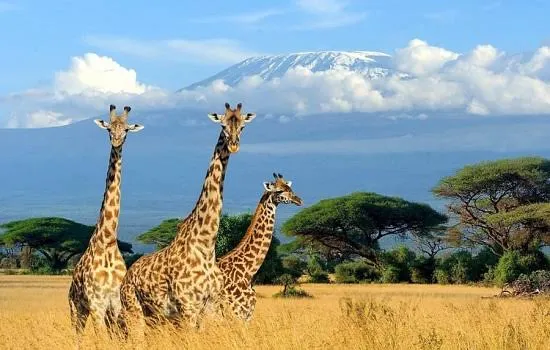
Road journeys reveal the landscape gradually, from highland farms to dry scrubland dotted with acacia and rocky hills. These views give context to the wildlife you later encounter. Flying offers dramatic aerial perspectives of rivers, valleys, and the Rift Valley floor, which many photographers treasure. Once on the ground, game viewing is similar in both styles, since your vehicle and guide matter most. Samburu’s special species, including Grevy’s zebra, reticulated giraffe, and gerenuk, can be enjoyed whichever way you arrive. Choose based on the experience you want.
Check Luggage, Group Size, and Flexibility
Light aircraft impose strict luggage limits, usually around fifteen to twenty kilograms in soft bags. Families and photographers carrying heavy equipment may find this restrictive. Road safaris allow bigger bags, spontaneous stops, and easier schedule changes. Group size matters too, since small planes seat few passengers and charters cost more for larger parties. If you travel with children or older relatives, consider how comfortable each person will be in both settings. Planning around these practical details prevents stress and keeps everyone relaxed throughout the journey.
Work With an Experienced Local Operator
A knowledgeable Samburu safari tour operator can compare both options against your dates, budget, and interests, then carefully build an itinerary that fits. Local experts understand northern road conditions, seasonal weather, airstrip schedules, and camp availability, which helps avoid delays. They can also combine methods, such as flying in and driving out, to enjoy the best of each. Share your priorities openly, ask about safety standards and guide experience, and request a clear, written breakdown of everything included so every decision feels confident and informed.
Deciding Your Route
Flying buys time and driving buys scenery, and neither choice is wrong. Settle on the trade-off that matches your holiday, then use tierrasafrica.com to shape the route around it.