
Introduction
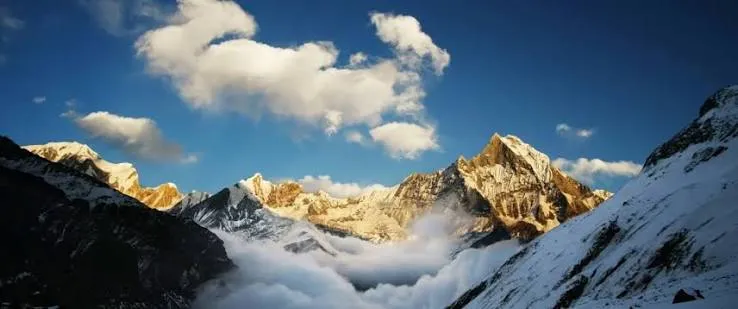
Nepal is one of the world’s most attractive destinations for trekking enthusiasts, offering breathtaking mountain scenery, diverse landscapes, and rich cultural experiences. Among its most popular adventures, the Annapurna Circuit Trek holds a special place. This remarkable journey takes trekkers through traditional Himalayan villages, green valleys, beautiful forests, and dramatic high-altitude landscapes. It also provides spectacular views of the Annapurna and Dhaulagiri mountain ranges.
Before planning this adventure, travelers often want to understand the Annapurna Circuit Trek Cost and what expenses they should expect. Having a clear budget helps trekkers choose suitable services, prepare their equipment, and enjoy the journey without unnecessary financial stress. This guide explores the highlights of the trek, estimated expenses, and essential planning tips.
Annapurna Circuit Trek: An Unforgettable Himalayan Journey
The Annapurna Circuit is a classic trekking route in Nepal’s Annapurna region. Depending on the selected itinerary and transportation arrangements, the journey generally takes around 12 to 18 days. The trail passes through different geographical and cultural environments, making it one of the most diverse trekking experiences in the Himalayas.
The adventure usually begins in the lower valleys of the Annapurna region before gradually climbing toward higher mountain settlements. Along the way, trekkers encounter rivers, waterfalls, terraced farmland, forests, and traditional villages. As the elevation increases, the scenery changes into dry alpine landscapes surrounded by impressive snow-covered peaks.
One of the major highlights is crossing Thorong La Pass, which reaches approximately 5,416 meters above sea level. This challenging section requires good physical fitness, proper acclimatization, and suitable weather conditions. Reaching the pass is a memorable achievement and offers spectacular views of the surrounding mountains.
The route also provides opportunities to experience local culture. Villages such as Manang and Pisang are known for their traditional architecture, Buddhist monasteries, and welcoming communities. Trekkers can enjoy local food, explore mountain settlements, and learn about the lifestyles of people living in the Himalayas.
Many itineraries also include a visit to Muktinath, an important religious destination for both Hindu and Buddhist visitors. These cultural experiences make the Annapurna Circuit more than just a mountain adventure.
Annapurna Circuit Trek Cost: What Should You Budget?
The Annapurna Circuit Trek Cost depends on several factors, including the length of the itinerary, trekking season, accommodation preferences, transportation, guide services, and group size. Travelers can choose a budget-friendly independent approach where permitted or arrange a more organized experience through a trekking company.
As a general planning estimate, a standard 12–18-day trek may cost approximately USD 700 to USD 1,500 per person. More customized or premium packages can cost more, depending on the services included. These figures are indicative rather than fixed prices, so travelers should request an updated breakdown before booking.
Main Expenses During the Trek
1. Permits and Entry Requirements
Trekkers generally need the required Annapurna Conservation Area Permit (ACAP). Permit rules and documentation requirements should be checked through official sources before departure. Budget for these fees as part of your initial travel expenses.
2. Accommodation
Most villages along the route offer teahouses and basic lodges. Rooms are generally simple, with prices varying according to location and season. Accommodation may become more expensive at higher elevations because supplies are harder to transport.
3. Food and Drinking Water
Meals usually include traditional Nepali dishes, rice, noodles, soups, vegetables, and international options. Food and drinking water costs can increase as trekkers move higher into the mountains. Carrying a reusable bottle and using appropriate water-treatment methods can help reduce plastic waste and expenses.
4. Guide and Porter Services
Hiring an experienced local guide can improve the trekking experience by providing route knowledge, cultural information, and practical support. Porters can carry luggage, allowing trekkers to walk more comfortably. Their fees depend on the duration and arrangements.
5. Transportation
Transportation costs vary depending on the starting point, ending point, and road conditions. Many itineraries use road transport to reach the trail and return from the lower Mustang region. Private vehicles generally cost more than shared transportation.
6. Personal Expenses
Travel insurance, snacks, hot showers, charging devices, internet access, tips, and personal equipment should also be included in your budget. Insurance should specifically cover trekking at the maximum altitude planned and emergency evacuation where required.
Best Time to Complete the Annapurna Circuit Trek
Spring, from March to May, and autumn, from September to November, are generally considered the best seasons for the Annapurna Circuit. Spring offers pleasant temperatures and colorful landscapes, while autumn is popular for clear skies and excellent mountain visibility.
Winter can bring heavy snowfall and extremely cold conditions around Thorong La Pass. During the monsoon, rainfall may create slippery trails and reduce visibility. Checking current weather forecasts and local trail conditions is essential before starting the trek.
Key Points for Planning Your Annapurna Circuit Adventure
A successful trekking experience begins with proper preparation. Keep these important points in mind:
-
Prepare physically: Build stamina through hiking, walking, stair climbing, and cardiovascular exercise.
-
Plan your budget: Include permits, accommodation, meals, transportation, guides, insurance, and emergency funds.
-
Allow acclimatization time: Spend adequate time adjusting to higher elevations, particularly around Manang.
-
Pack suitable equipment: Bring comfortable trekking boots, warm clothing, waterproof layers, and essential personal supplies.
-
Choose reliable support: Work with reputable trekking professionals and agree on services and costs before departure.
-
Respect local communities: Follow cultural customs, support local businesses, and treat religious sites respectfully.
-
Protect the environment: Avoid littering, reduce plastic use, and follow responsible trekking practices.
Conclusion
The Annapurna Circuit Trek is an extraordinary Himalayan adventure that combines natural beauty, cultural discovery, and the excitement of high-altitude trekking. From peaceful mountain villages to the challenging crossing of Thorong La Pass, every stage offers something memorable.
Understanding the Annapurna Circuit Trek Cost makes it easier to prepare a realistic budget and select services that match your needs. Although expenses vary depending on travel style and itinerary, careful planning can make this remarkable journey more comfortable and enjoyable. With proper fitness, responsible preparation, and respect for the mountains, the Annapurna Circuit can become one of the most rewarding trekking experiences in Nepal.