
Packing for a Himalayan trek is not about filling a large backpack with everything you might possibly need.
It is about making smart choices.
Every extra item has to be carried along the trail. A jacket you never wear, three extra shirts, or heavy toiletries may seem harmless at home. After several hours of walking, they become unnecessary weight.
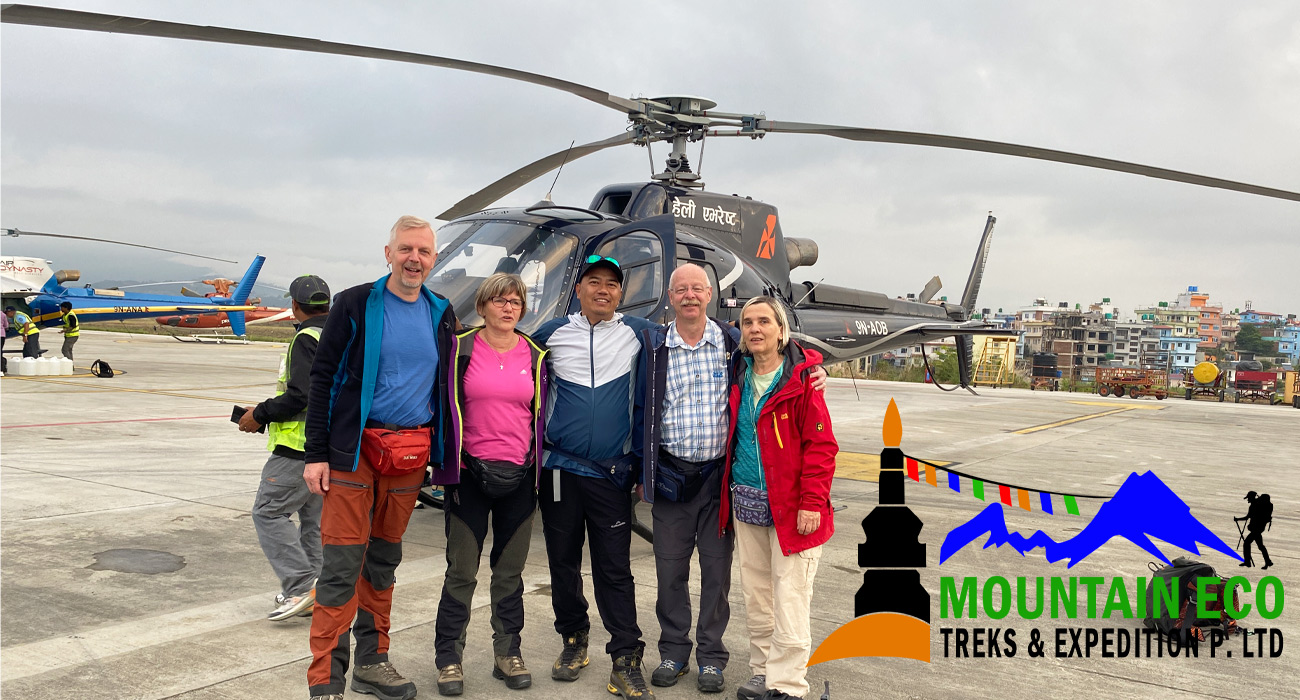
The Everest Base Camp Trek With Helicopter Return is a good example of why practical packing matters. You spend the main part of the journey walking through the mountains, then return by helicopter after reaching Base Camp, subject to suitable weather and flight conditions.
A lighter, better-organized bag can make the walking experience much more comfortable.
Start With the Basics, Not the Extras
Before buying new gear, think about what the trek actually requires.
You need clothing that works in changing weather, footwear that protects your feet, personal items, and basic travel essentials.
Make a Simple Packing List
Separate your items into clear groups:
- Clothing
- Trekking equipment
- Personal care
- Documents and money
- Electronics
- Basic health and safety items
This makes it easier to spot things you are packing twice.
A list also reduces the chance of forgetting something genuinely important.
Think About Weight Before Size
A large backpack can create a strange problem.
Because there is extra space, you may feel tempted to fill it.
Use the Empty Space as a Warning
Do not pack simply because there is room.
Ask yourself whether an item solves a real problem.
If you are carrying something only because you think you might need it, think twice.
Mountain travel rewards practical decisions.
Choose Clothing That Works Together
You do not need a separate outfit for every day.
Clothing should be easy to layer and comfortable enough for repeated use.
Focus on Layers
A useful system can include:
- A comfortable base layer
- A warm insulating layer
- A protective outer layer
You can add or remove layers depending on temperature and activity.
This is more useful than carrying several heavy pieces that cannot be combined easily.
Your Socks Matter More Than You Think
People often spend a lot of time choosing jackets and forget about their feet.
That is a mistake.
Your feet carry you for hours every day.
Pack Enough Comfortable Socks
Choose socks suitable for walking and changing conditions.
Carry spare pairs so you can change if your feet become wet or uncomfortable.
Dry, comfortable feet can make a noticeable difference on a long trek.
Do Not Experiment With Shoes on the Mountain
A brand-new pair of boots may look perfect.
That does not mean they will work for you.
Test Before You Travel
Wear your trekking shoes during several walks.
Try them on slopes and longer distances.
Pay attention to your heel and toes.
If they cause discomfort during a short walk at home, they are unlikely to become better after a full day on a mountain trail.
Keep Important Items Within Reach
Organization becomes valuable when you are tired.
You do not want to empty your entire bag to find your gloves or rain protection.
Create Easy-Access Sections
Keep frequently used items near the top or in external pockets where appropriate.
For example:
- Water
- Sunglasses
- Sunscreen
- Snacks
- Gloves
- Rain protection
The less time you spend searching, the easier your day becomes.
Protect Electronics From the Elements
Phones and cameras can be useful during the trek.
But mountains can bring moisture, cold, dust, and unexpected weather.
Use Simple Protection
Keep electronics in protective pouches or waterproof bags.
Carry charging equipment in an organized place.
Do not assume your backpack will stay completely dry simply because the morning started with clear skies.
Think Carefully About Toiletries
Travel-sized products are your friend.
You do not need full-size bottles of shampoo, body wash, or other items.
Reduce Without Becoming Uncomfortable
Take what you genuinely need for personal care.
Avoid carrying multiple products that perform nearly the same job.
A few small choices can remove surprising amounts of weight.
Keep Documents Secure
Travel documents are more important than almost anything else in your backpack.
Protect the Essentials
Keep passports, permits, identification, money, and important booking information secure and accessible.
It can also be useful to have digital copies of important documents stored safely.
Do not place everything in one location if you can avoid it.
Pack Snacks You Actually Enjoy
Food preferences matter during long walking days.
A snack that you enjoy is more useful than something you bought simply because someone recommended it.
Choose Small, Useful Energy Sources
Depending on your preferences, you might carry:
- Nuts
- Energy bars
- Dried fruit
- Crackers
- Chocolate
Keep portions practical so they do not take up unnecessary space.
Do Not Forget Sun Protection
Cold weather can make people underestimate the sun.
At high elevation, sunlight can feel strong.
Keep Protection Handy
Sunglasses, sunscreen, and a hat should be easy to access.
You are more likely to use something when you do not have to dig through your entire backpack to find it.
Your Bag Should Not Become Your Burden
One of the biggest packing mistakes is confusing preparedness with carrying everything.
Preparedness means having the right things.
It does not mean having the most things.
Do a Final Weight Check
Once your bag is packed, carry it around your home.
Walk upstairs.
Take a short outdoor walk.
Ask yourself whether the weight feels reasonable.
If it does not, remove items that are not essential.
The Helicopter Return Changes Your Packing Needs
The Everest Base Camp Trek With Helicopter Return has a different ending from a traditional return trek.
Once you reach Base Camp, the planned return may be by helicopter rather than several more days of walking, depending on conditions.
Keep Travel Items Organized
You may want important personal items and documents easy to reach during the transition from trekking to flying.
Follow the operator’s instructions about luggage and weight restrictions.
Do not assume that everything you carried during the trek can automatically be handled in the same way on the helicopter.
Pack for Reality, Not for a Fantasy
It is easy to imagine every possible situation before a major trip.
That can lead to overpacking.
The better approach is to prepare for realistic conditions and understand how your equipment will actually be used.
The Everest Base Camp Trek With Helicopter Return requires practical thinking.
You need enough protection for cold and changing weather.
You need footwear you trust.
You need a backpack that does not overwhelm you.
And you need to keep essential items organized.
Less Weight, More Attention
The Everest Base Camp Trek With Helicopter Return becomes easier to enjoy when your backpack is not constantly demanding your attention.
You can focus on the trail instead of the straps digging into your shoulders.
You can stop for a view without worrying about unnecessary gear.
You can move through villages and mountain paths with greater comfort.
Then, after reaching Base Camp, you can experience the landscape from above on the helicopter return when conditions permit.
The goal of packing light is not to own less for the sake of it.
It is to carry exactly what supports the journey.
A smart backpack should help you travel—not remind you that you packed too much.
Frequently Asked Questions
How can I reduce backpack weight?
Remove duplicate clothing, oversized toiletries, unnecessary gadgets, and items you are unlikely to use.
Should I buy trekking shoes just before the trip?
It is better to buy them early enough to wear and test them before departure.
How should I organize my backpack?
Keep frequently used items accessible and protect important documents and electronics from moisture.
Do I need special packing for the helicopter return?
Follow your helicopter operator’s luggage instructions. Weight and baggage arrangements may differ from normal trekking needs.
Is packing light really important?
Yes. You will carry your belongings through multiple walking days, so unnecessary weight can make the trek more tiring.