
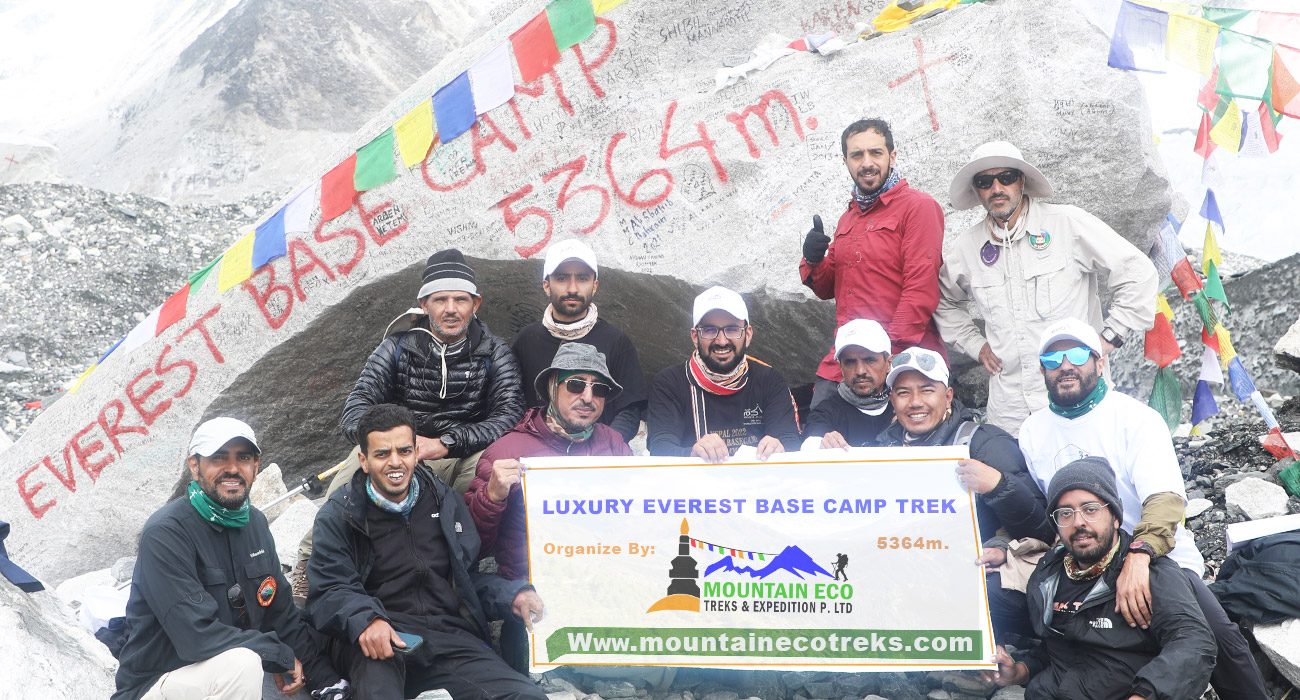
Some mountain trips are about testing your limits. Others are about seeing something remarkable without making the entire experience uncomfortable.
The Everest Base Camp Luxury Trek sits somewhere in between. It keeps the walking, mountain scenery, Sherpa culture, and excitement of the Everest region while giving greater attention to comfort and planning.
For travelers with limited vacation time, this can be an appealing way to experience one of Nepal’s most famous destinations.
Why a Luxury Trek Can Make Sense for Busy Travelers
A trip to the Everest region takes planning. Flights, accommodation, meals, walking distances, permits, guides, weather, and altitude all need attention.
Trying to arrange everything yourself can take a lot of time.
A well-organized trek puts those details into one plan. Instead of spending your holiday solving small travel problems, you can focus on the trail and the places around you.
Your Vacation Should Not Feel Like a Checklist
It is easy to become focused on reaching the next village.
Walk. Eat. Sleep. Repeat.
But the Everest region deserves more attention than that.
A comfortable itinerary can give you opportunities to stop for photographs, watch mountain views, visit local sites, and enjoy quiet moments along the trail.
The goal is not simply to collect a Base Camp photo. It is to experience the journey properly.
What You Actually Experience Along the Trail
The Everest route changes constantly.
One morning may begin among trees and rushing streams. A few days later, you may be walking across dry, rocky land surrounded by enormous peaks.
This change is one of the most interesting parts of the trek.
Suspension Bridges and Mountain Rivers
Several sections of the route involve crossing suspension bridges.
They may look intimidating at first, especially when the river is far below, but they are an important part of local mountain travel.
The bridges also create some memorable views. From above, you can see rivers cutting through deep valleys while mountains rise in the distance.
The Quiet Side of the Khumbu
Not every memorable moment happens at a famous viewpoint.
Sometimes the best parts are small.
A quiet trail early in the morning. Prayer flags moving in the wind. A local carrying supplies between villages. Snow appearing on a distant peak.
These simple scenes give the trek its character.
Food Becomes More Important as You Climb
Food is easy to overlook before a trek.
Once you are walking for hours every day, it becomes much more important.
Your body needs regular meals and enough fluids to keep going. A good trekking plan should make meals convenient without making you feel rushed.
Eat for Energy
You do not need a complicated diet during the trek.
Simple foods that provide carbohydrates, protein, and enough calories can help support long walking days.
Good choices may include:
- Rice and vegetables
- Pasta
- Eggs
- Soups
- Potatoes
- Oatmeal
- Fresh or dried fruit
- Energy snacks
Drink water regularly, even when you do not feel very thirsty.
The Role of a Good Guide
A guide is more than someone who points toward the trail.
In the Everest region, an experienced guide can make decisions that affect your safety and comfort.
They can help with route planning, weather changes, altitude concerns, local customs, and daily pacing.
Local Knowledge Has Real Value
A map can show you where a village is.
A local guide can tell you what the village is like.
They may know where to stop for a meal, which route is easier in certain conditions, where to find a viewpoint, or when weather changes are likely.
That local knowledge can make a major difference during a long mountain journey.
Staying Comfortable Does Not Mean Staying Indoors
One misunderstanding about luxury trekking is that it somehow removes the adventure.
It does not.
You still have to walk through the mountains. You still feel cold air at higher elevations. You still cross bridges and climb rocky trails.
The comfort comes before and after those moments.
Rest Is Part of the Adventure
After a demanding walking day, rest is not something to feel guilty about.
Your body needs recovery.
A comfortable room, warm drink, good meal, and quiet evening can help you start the next morning feeling stronger.
This is one reason the Everest Base Camp Luxury Trek can appeal to travelers who want the challenge but do not want unnecessary discomfort.
How to Prepare Without Overcomplicating Things
You do not need a huge training program before traveling to Nepal.
You do need consistency.
Start with regular walking and slowly increase the distance. Add hills or stairs when possible. If you normally spend most of your day sitting, do not expect your body to handle several hours of mountain walking without preparation.
Build Your Walking Habit
Try to make walking part of your normal routine before departure.
A useful preparation plan can include:
- Walking several times each week
- Taking longer walks on weekends
- Practicing uphill and downhill movement
- Using the shoes you plan to trek in
- Carrying a light backpack during training
- Building leg and core strength
Comfort on the trail starts long before you arrive in Nepal.
Respect the Mountain Environment
The Everest region attracts travelers from around the world. That creates pressure on the local environment.
Trekkers should avoid treating the mountains like a disposable tourist attraction.
Carry reusable bottles when possible. Avoid leaving wrappers or plastic behind. Use marked trails and follow local rules.
Small choices matter when thousands of visitors make them every year.
Capture Memories Without Missing Them
Phones and cameras are useful on a trip like this.
But taking a photo of every few steps can make you forget to actually look around.
Put the camera away sometimes.
Watch the clouds move across the mountains. Listen to the river. Notice how the light changes on the peaks.
Those moments cannot always be captured in a picture.
Is a Luxury Everest Trek Right for You?
The Everest Base Camp Luxury Trek is not designed for travelers who want the cheapest possible route.
It is better suited to people who place value on comfort, organization, quality service, and a smoother travel experience.
It can be especially attractive if you are taking a major trip with a partner, marking a special occasion, or simply want to spend your vacation enjoying the destination instead of managing every detail.
Final Thoughts
The Everest region does not need luxury to be beautiful. The mountains are impressive regardless of where you sleep.
But comfort can change how you experience the journey.
When you have reliable support, suitable accommodation, good meals, enough rest, and a sensible schedule, you can put more attention on the reason you came: the mountains.
The Everest Base Camp Luxury Trek offers a way to combine physical adventure with a more comfortable travel style. You still earn every step toward Base Camp, but you can enjoy the journey with fewer unnecessary hardships.
Frequently Asked Questions
How much walking is involved?
Daily walking varies by itinerary and location. Most days involve several hours on mountain trails, with some days being longer or more demanding than others.
Does luxury mean there is no altitude risk?
No. Altitude remains one of the main concerns on the Everest route. A luxury package cannot remove that risk, which is why proper acclimatization is essential.
Can I enjoy local food during the trek?
Yes. Many stops along the route offer local and familiar meal choices. Your guide or trekking team can help you choose suitable food during the journey.
Should I train before going?
Yes. Regular walking and basic fitness training can make the trek much easier. Start preparing before your trip instead of waiting until you arrive.
What should I focus on when choosing a package?
Look beyond the word “luxury.” Check the itinerary, accommodation, acclimatization schedule, guide support, meals, transportation, and what is actually included.